

Don’t Panic… Prepare: Travel Tips for Nor’Easter Season
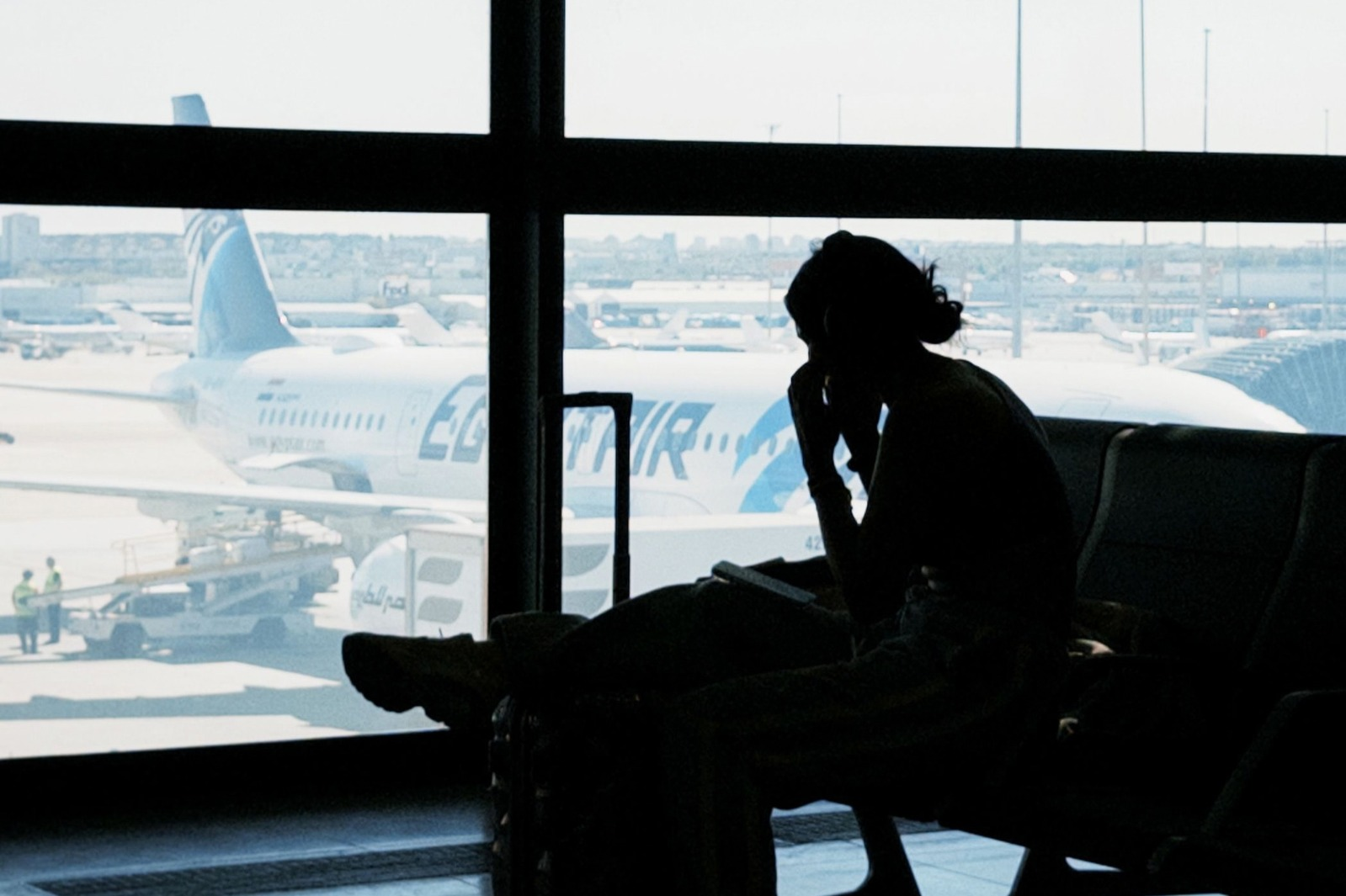
As the seasons change, many travelers plan around the weather. Some want to escape it, chasing tropical sun or a colder climate than they get at home. But what happens when storms are thrown into the mix?
Nor'easter season is here, and delayed and cancelled flights have been rippling across the country. If you have a trip coming up in the next month, news like this can be confusing and worrying. Nobody enjoys a delayed flight, and stormy weather makes it even more nerve-wracking.
Here's what you should know about seasonal storms and how airlines and cruise lines handle delays and cancellations, so you can feel more confident about your upcoming plans.
What is a Nor'easter?
Before you panic, it helps to understand how these storms form and when they usually show up. That will tell you whether your plans are likely to be affected at all.
From September through April, these storms form along the East Coast when cold Arctic air moving south meets warm air over the Gulf Stream. According to NOAA, that sharp temperature difference causes storms to develop and spiral up the coast, bringing heavy precipitation and strong winds that build as the storm travels.
Because nor'easters arrive around wintertime, the rain and snow they bring often disrupt air and sea travel, especially in New England. They usually bring rain or snow, and sometimes freezing rain, which can be the most dangerous of the three. Nor'easters can also cause flooding and significant coastal erosion, which makes roads dangerous and creates hazards for ferries and cruise ships.
Nor'easters have a lot in common with hurricanes, but the National Park Service highlights some important differences. Hurricanes tend to be more destructive because of their high wind speeds, while nor'easters last much longer and build strength gradually. They are also common: climatologist Michael E. Mann counts an average of about 11 per season.
What Happens if a Storm Delays or Cancels Your Trip?
The storms hit the Northeast hardest, but grounded planes cause problems far beyond that region. According to KTLA 5 News, cancellations that started in New England have delayed flights as far away as Los Angeles.
Flight Delays, Cancellations and Refunds
Airlines have been issuing weather waivers this storm season. A weather waiver lets eligible travelers change their flights without the usual penalties, which makes a disruption much easier to manage. If you are flying American Airlines, Delta, JetBlue, Southwest, or United, you may be eligible for one.
USA Today explains an important difference between how airlines handle a delay and a cancellation. If your flight is delayed, the cause of the delay determines whether the airline will compensate you. When the cause is severe weather, or anything else outside the airline's control, the airline is not required to compensate you. Some airlines do anyway, so it's worth looking up how your airline has handled storm delays in the past.
Refunds work differently. If your flight is cancelled or significantly delayed and you choose not to accept the rebooking or travel credit the airline offers, the Department of Transportation requires the airline to refund you. That applies even when weather is the reason. This is good to know if your flight is cancelled and you decide you would rather not make the trip at all. The DOT's Aviation Consumer Protection page has more on the rules for cancellations and delays.
What Happens to Your Cruise in a Nor'easter?
Airlines aren't the only ones affected by nor'easters this year. Cruise lines sailing between Canada and New England have had to rework itineraries and even return to port early because of conditions at sea, according to Cruise Critic. Ships arriving in New York and the surrounding area may also have trouble getting into port because of storm surges, according to Travel Pulse by Northstar.
Cruises are harder to reschedule than flights, so cruise lines respond to bad weather differently. If a storm keeps a ship from docking in a certain port or sailing through a specific region, the ship can re-route to a different port and adjust the rest of the itinerary around the storm's path.
Cruise cancellations are rare, according to Cruise Critic. If you decide that cancelling your own trip is the safest choice, how much you get back depends on the severity of the storm, whether you bought travel insurance, and that cruise line's policies. The best way to prepare for a cruise this season is to read the cancellation policy before you book and look at how the line has handled storm-affected itineraries in the past.
How to Prepare for Travel During Storm Season
You can't control the weather, but you can be ready for the changes it causes. A few things I recommend when you're making travel plans this season:
Buy travel insurance before a storm is in the forecast
Book the first flight of the day
Choose nonstop flights when you can
Download your airline or cruise line's app so you see announcements right away
Work with a travel advisor who can help you rebook quickly
With a little extra preparation and support, a storm doesn't have to ruin your trip. Managing bookings when the weather turns is something I can handle for you, whether you're traveling solo or with friends or family. If you'd like help planning your next getaway and some peace of mind while traveling this fall, reach out through my client inquiry form. I look forward to hearing from you!