

The Science Behind Why Travel Makes Us Happier
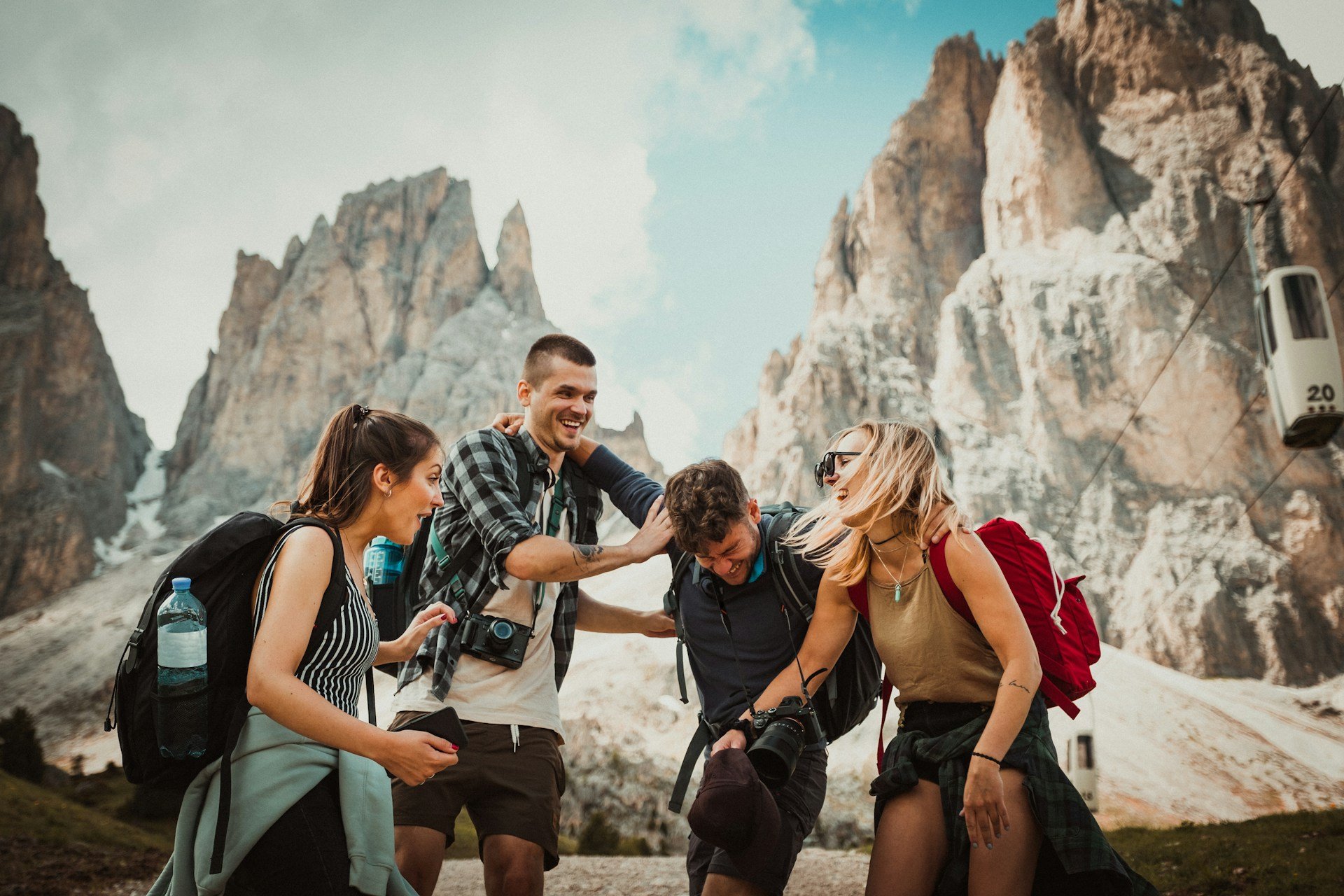
We often think of travel as a luxury, something to look forward to once or twice a year, squeezed in between work deadlines and everyday responsibilities. But what if taking a trip did more than simply give you a break from your inbox? Research suggests travel has a real, measurable impact on our mental well-being, our relationships, and our overall sense of happiness, and the effects start long before you actually board a flight.
While every trip looks different, the benefits often go far beyond beautiful views and great food. From reducing stress to creating lifelong memories, here's why travel has such a powerful effect on our happiness, and what the science actually says about it.
Anticipation Is Part of the Joy
One of the most interesting findings in travel psychology is that a lot of the happiness we associate with a trip doesn't actually come from the trip itself. It comes from looking forward to it.
Having a trip planned gives you something to look forward to, a fixed point on the calendar that breaks up the sameness of everyday routine. Instead of one week blending into the next, there's suddenly a countdown, something concrete to plan around and get excited about.
This anticipation can build for weeks or even months before you leave, and during that time it functions almost like a mood boost you get to carry around with you. Studies on vacation anticipation have found that people often report higher levels of happiness in the weeks leading up to a trip than they do during the trip itself or after returning home. The planning process, choosing where to stay, researching things to do, imagining what the days will look like, is part of what makes travel so good for our mental health, even before the actual departure date.
Travel Helps Reduce Stress
It's not exactly a surprise that stepping away from daily responsibilities helps you feel less stressed, but the effect is more significant than most people realize. Travel removes you from the daily stresses and obligations that quietly build up over time: the constant notifications, the to-do lists, the routines that keep us on autopilot.
Being away encourages actual rest, not just physical rest, but the kind of mental rest that's hard to get when you're still surrounded by reminders of everything you need to do. This matters more than ever in a culture where burnout has become incredibly common. Stepping away, even briefly, helps interrupt that cycle before it builds into something harder to recover from.
The improvement isn't just anecdotal either. Research has connected regular vacations with lower reported stress levels, better mood, and improved overall well-being, especially when people are able to fully disconnect from work during the time away. The furthest thing from a luxury, taking time to travel functions almost like preventative maintenance for your mental health.
New Experiences Keep Your Brain Engaged
Part of what makes travel so mentally refreshing is how much it asks of your brain in a good way. New environments push you out of autopilot and into a state of active engagement, which is part of why a week away can feel far longer, in the best way, than a week at home.
This shows up in small ways throughout a trip: learning a few new local phrases or getting familiar with a new language, trying unfamiliar food, exploring neighborhoods you've never walked through before, or spending an afternoon in a museum or historical site learning something you didn't know before you arrived.
These moments of novelty are more than just enjoyable, they're genuinely stimulating for the brain. Exposure to new environments and experiences has been linked to improved mood and cognitive flexibility, essentially your brain's ability to adapt and think in new ways. It's part of why travel so often leaves people feeling not just relaxed, but recharged and more mentally sharp.
Travel Strengthens Relationships
Some of the most meaningful benefits of travel have nothing to do with the destination itself and everything to do with who you experience it with.
Traveling together creates real quality time, the uninterrupted kind that's genuinely hard to find in everyday life between work schedules, errands, and screens. Shared experiences during a trip, good and bad, tend to become shared memories that people bring up for years afterward, and those memories often become part of what holds relationships together over time.
There's also a communication benefit that's easy to overlook. Navigating a new place together, figuring out logistics, making decisions as a group, tends to require better communication than day-to-day life at home does, and that practice often carries over once the trip is done.
Even solo travel, which might seem like the exception to this benefit, often ends up creating just as much connection. Traveling alone naturally opens the door to meeting new people, whether that's a conversation with someone at a local restaurant, a fellow traveler on a tour, or a connection made simply because you're more open to interaction when you're somewhere new. Solo travel tends to build confidence and independence alongside these unexpected connections, which is its own contributor to overall happiness.
It Gives You a New Perspective
Perhaps the most lasting benefit of travel is the shift in perspective that comes from simply stepping outside your daily environment. When the routines, assumptions, and daily patterns you're used to are removed, even temporarily, it becomes much easier to see your own life with more clarity.
Experiencing different cultures and different ways of life tends to challenge assumptions you didn't even realize you were making. Seeing how other people structure their daily lives, what they prioritize, what they value, and how they define a good life, often reframes how travelers think about their own priorities once they return home.
This kind of perspective shift is part of why so many people describe travel as changing how they see the world, not just what they've seen, but how they think about it. It's a benefit that tends to last far longer than the trip itself.
The Ripple Effect That Lasts After You Get Home
One of the more surprising findings in travel research is that the happiness boost from a trip doesn't simply disappear the moment you're back to your regular routine. People who travel regularly tend to report a longer-lasting sense of well-being than those who don't, even after accounting for the initial excitement of the trip itself.
Part of this comes down to memory. Experiences, unlike material purchases, tend to hold their value in our minds over time. A new gadget loses its novelty within weeks, but a memory from a trip, a sunset, a meal, a conversation with someone you'd never have met otherwise, tends to stay meaningful for years. Revisiting those memories, through photos, stories, or simply thinking back on them, has been shown to bring a smaller but real boost in mood each time.
There's also a practical ripple effect. People who return from a trip often report feeling more motivated at work, more patient in daily interactions, and more able to handle stress in the weeks that follow. Some of this is simply rest catching up, but some of it seems tied to the perspective shift travel creates. Once you've stepped outside your usual environment, it's easier to notice what's actually working in your daily life and what isn't, and to make small adjustments once you're back.
Making the Benefits Last Longer
None of these benefits require an elaborate trip or an exotic destination to take effect. What tends to matter more is intention: choosing a trip that actually gives you something to look forward to, planning enough in advance to enjoy the anticipation, and building in room for the kind of new experiences and connection that make travel feel meaningful rather than just another item checked off a list.
This is also where a little planning support can go a long way. A trip that's overloaded with logistics, or one where expectations don't match reality once you arrive, can quietly undercut a lot of these benefits before they have the chance to fully land.
If travel really does offer this much of a boost to happiness, stress levels, relationships, and perspective, it's worth thinking about travel as more than just a reward for getting through a busy year. The research suggests it's something closer to a genuine investment in your well-being, one that starts paying off the moment a trip gets booked and continues well after you're back home.
That also means the way a trip is planned matters. A trip that's rushed, stressful to coordinate, or filled with logistics that fall apart at the last minute can undercut a lot of these benefits before they even have a chance to kick in. The anticipation, the rest, the new experiences, the connection, all of it is easier to actually enjoy when the planning itself isn't adding stress instead of relieving it.
If you're thinking about your next trip and want the planning process to feel as good as the trip itself, I'd love to help put it together. Contact me and let's start designing a trip that gives you all the benefits you're already looking for, without any of the stress of doing it alone.