

Photo by Ricardo E. Díaz Vega on Pexels
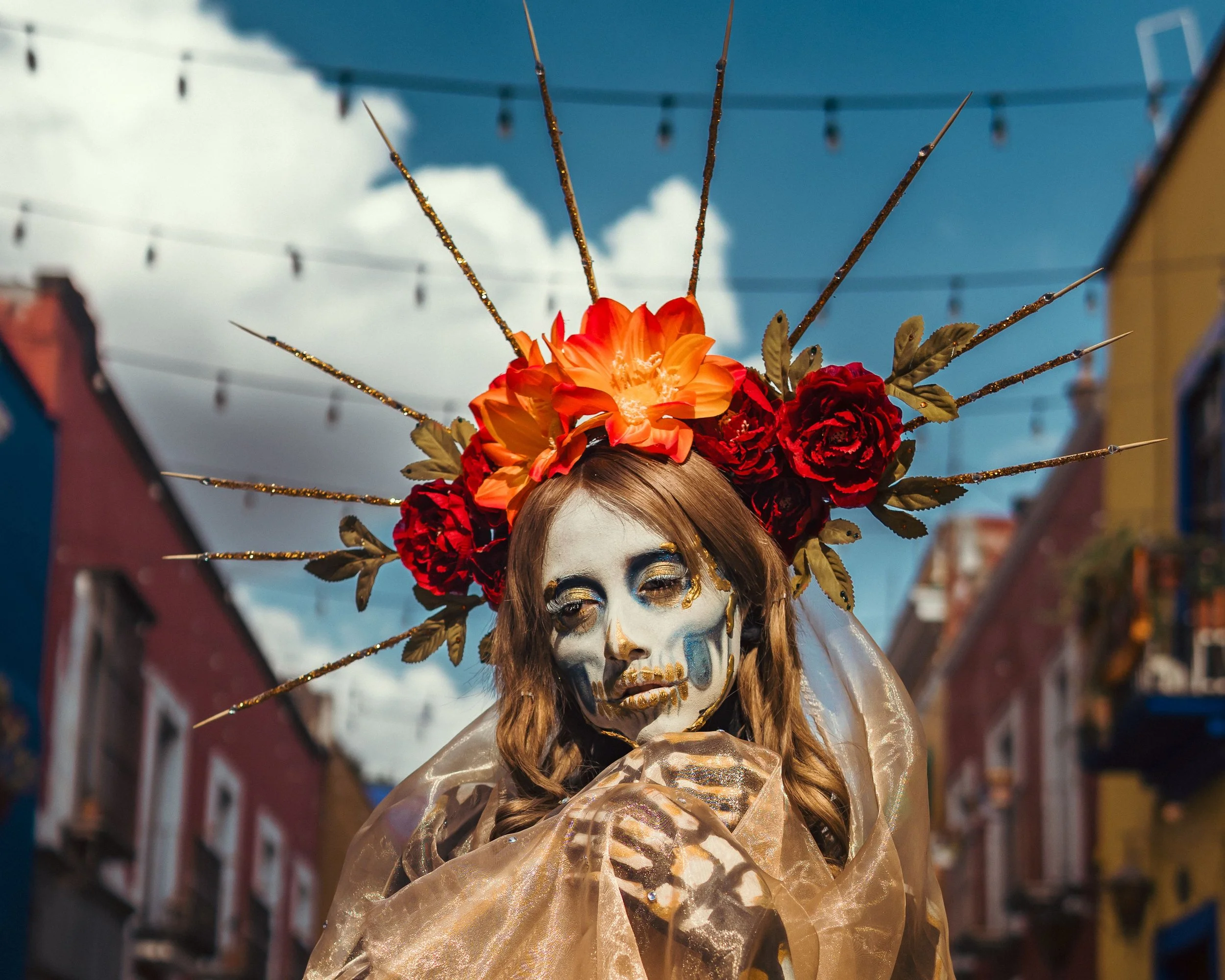
Every year from October 31st to November 2nd, Mexico celebrates Día de los Muertos, a holiday for remembering ancestors with family. It also celebrates life, with vibrant decorations, music, and traditions that evoke a sense of vitality. Día de los Muertos is celebrated worldwide, but can be experienced most authentically in Mexico.
Whether you want to see the traditions performed firsthand, celebrate with your own family, or explore Mexico for yourself, I’ve found the 3 best cities to experience Día de los Muertos and Mexico’s rich culture.
Oaxaca:
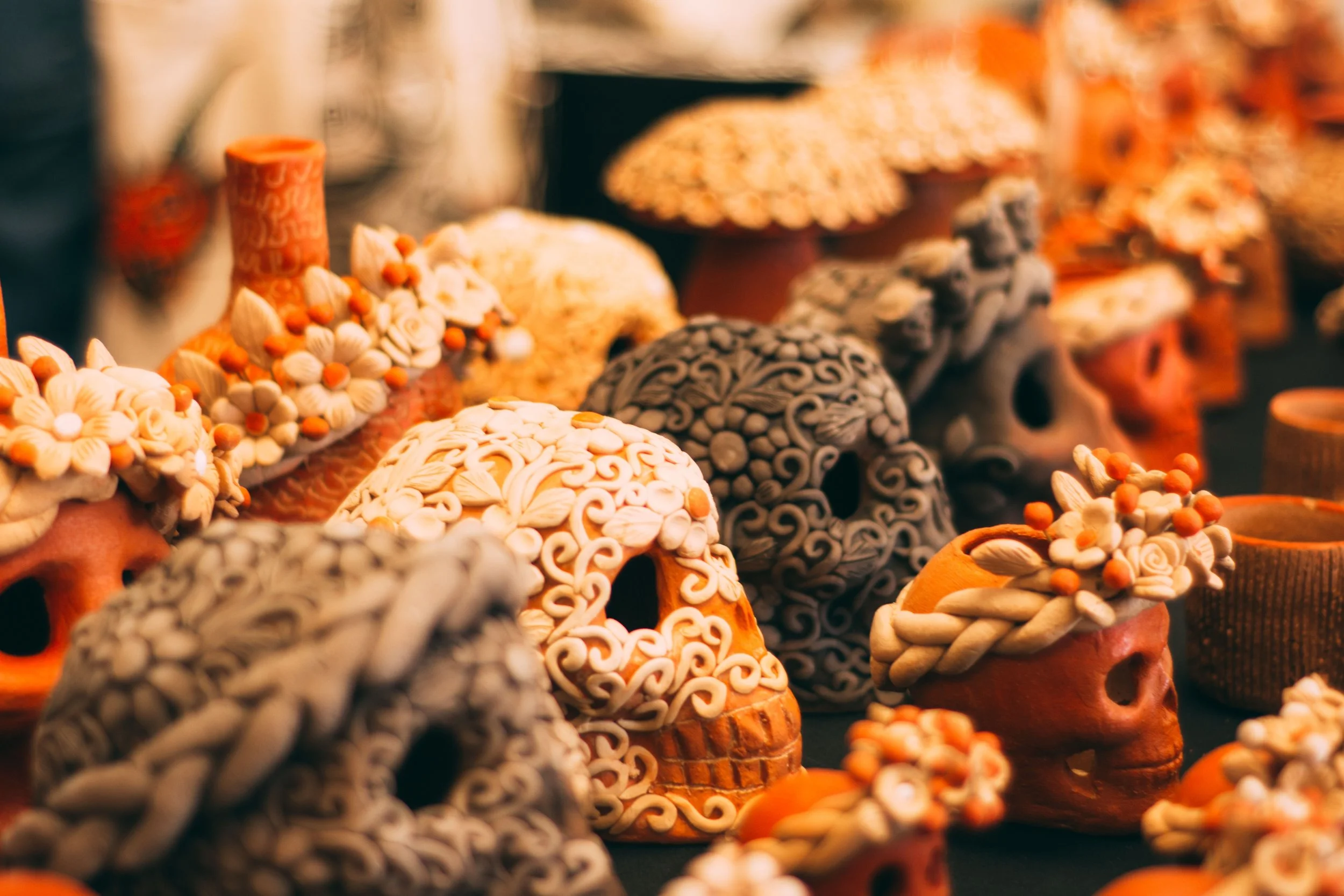
Oaxaca is well known for its grand Día de los Muertos celebrations. From parades to street food, artwork to ofrendas, people in Oaxaca work hard to maintain traditions and share these practices with others. Joining together to celebrate and honor ancestors is one of the many ways Oaxaca creates a genuinely heartwarming and unifying atmosphere during Día de los Muertos.
There are so many ways to explore Oaxaca for the holiday, so here are a few that I recommend you don’t miss on your next visit. Walking tours are a great way to see as much as possible all in one day. If you’re the type of traveler who enjoys a planned adventure with a guide sharing their knowledge, a walking tour is the best way to explore Oaxaca’s rich heritage and the heart of Día de los Muertos.
For anyone interested in the arts, Oaxaca has plenty to offer. You can visit art museums during your trip, but during Día de los Muertos, creativity is on full display all over the city. Large skeleton statues in the streets, papel picado (chiseled paper) hanging from buildings, sand paintings, and parades are some of the ways people in Oaxaca demonstrate their artistic prowess during Día de los Muertos. This vibrant holiday also has deep roots; colors used in paintings, decorations, and makeup all have symbolic meaning.
No trip is complete without enjoying delicious food from your destination’s culture. There are so many traditional meals to try, and during Día de los Muertos, you can see the important role food plays in how people stay connected with their ancestors. Mole negro is an Oaxacan specialty that is enjoyed with a wide variety of meals, but is also used by some families as an offering to their ancestors. It has a rich flavor profile, but is challenging to make from scratch. According to Recetas Mexas, people serve this dish during Día de los Muertos as an offering to their ancestors. However, some restaurants in Oaxaca serve Mole Negro: Las Quince Letras, Los Pacos, and Casa Oaxaca El Restaurante. You can enjoy these meals year-round, celebrating Oaxacan culture and Día de los Muertos in your own way.
Pátzcuaro:
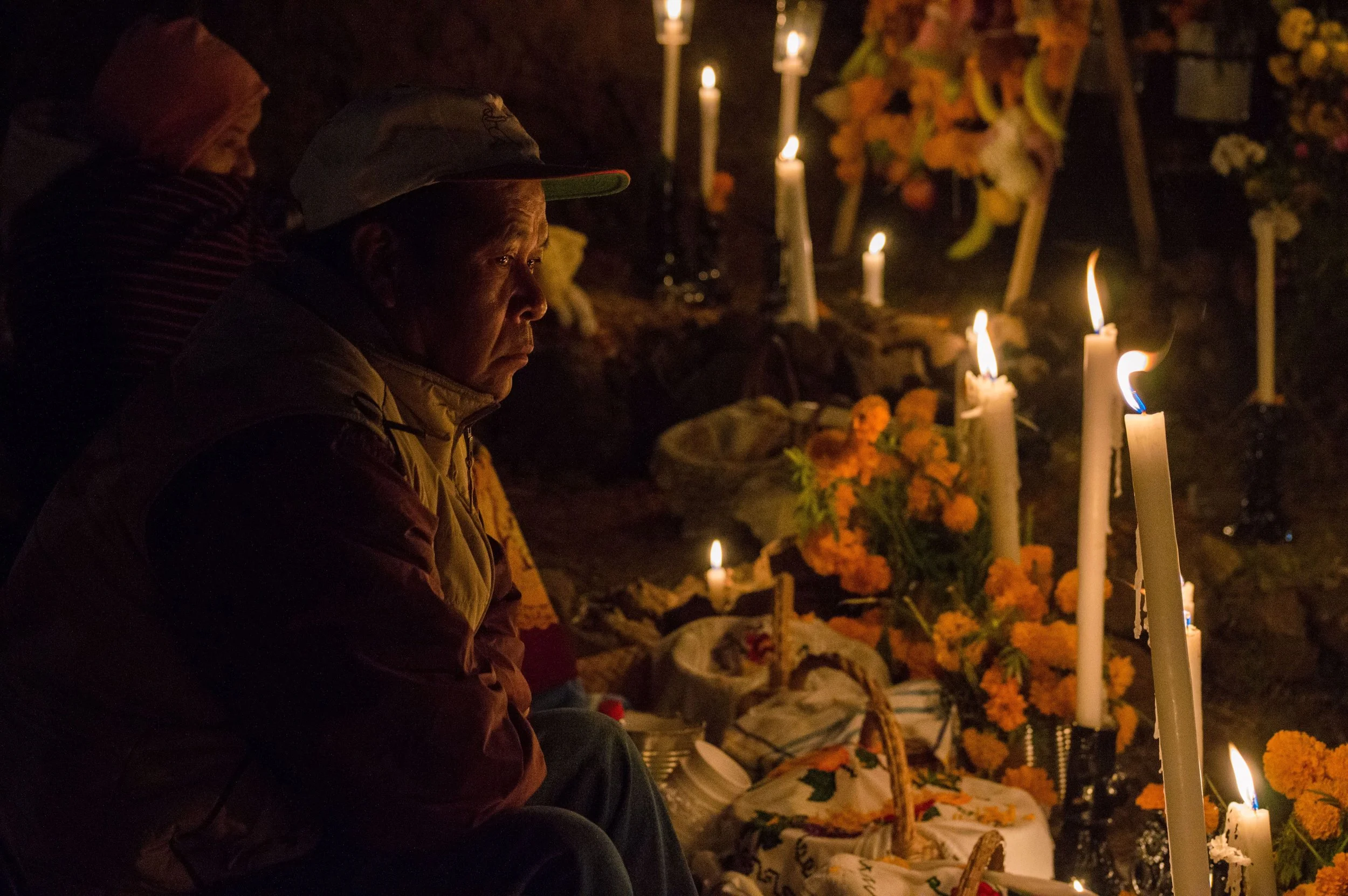
Photo by Iván Cisneros on Pexels
Pátzcuaro’s Día de los Muertos celebrations are some of the most joyful in the country. The community around Lake Pátzcuaro honors ancestors and celebrates life with some of the most beautifully intricate rituals passed down for generations. For anyone searching to connect with Mexican culture on a deeper level, or understand the spiritual roots of Día de los Muertos, Pátzcuaro is the best city to visit.
Visiting a local cemetery during Día de los Muertos is one of the best ways to see how people in Pátzcuaro practice their spirituality, hold rituals, and connect with loved ones in the afterlife. The days leading up to Día de los Muertos are full of responsibilities, like cleaning graves, placing decorations, and preparing offerings of meals, fruits, and flowers. At night, the cemeteries are bright and colorful, reminding you to celebrate life, even after it is over. As a tourist, you can have the best experience in the cemeteries by being mindful of the families visiting the graves, keeping conversations quiet, and asking permission before taking photos. Día de los Muertos is a deeply spiritual holiday, and respecting mourners by following community rules and only entering spaces open to visitors can help keep the environment peaceful.
Another beautiful event that happens during Día de los Muertos in Pátzcuaro is the Janitzio Island Dance of the Butterflies. It occurs on the Night of the Dead, November 1st, and originated with the Indigenous Purépacha people. According to Experiencia Pátzacuro, in the evening, fishermen will take candle-lit canoes out to Lake Pátzcuaro with fishing nets. The net movements mimic butterfly wings, which is believed to encourage spirits to come out of the water and up Janitzio Island to find their living family members awaiting them. This beautiful tradition coincides with the return of monarch butterflies to the region, and it is believed that the souls of the departed return to the world in the form of these butterflies.
My final recommendation for your visit in Pátzcuaro is the Basilica de Nuestra Señora de Salud. It is the most famous religious building and a remarkable site to visit year-round. During Día de los Muertos, the Basilica holds many elaborate vigils and maintains many elaborately decorated ofrendas, making it an essential stop during the celebrations. The Basilica is dedicated to the Virgin of Health and has a rich history of many healings and cures going as far back as colonial times. If you are interested in Catholicism or the history of this Mexican city, I highly recommend visiting the Basilica de Nuestra Señora de Salud.
If any of these traditional events piqued your interest, I would encourage you to look into the details of whether visitors are permitted to enter certain sacred spaces during Día de los Muertos before embarking on your journey. This way we can continue to celebrate different traditions and be respectful of the communities who celebrate them within their culture. Need assistance finding things to do during this holiday? I can help you find the best activities to celebrate Día de los Muertos thoughtfully.
Mexico City:
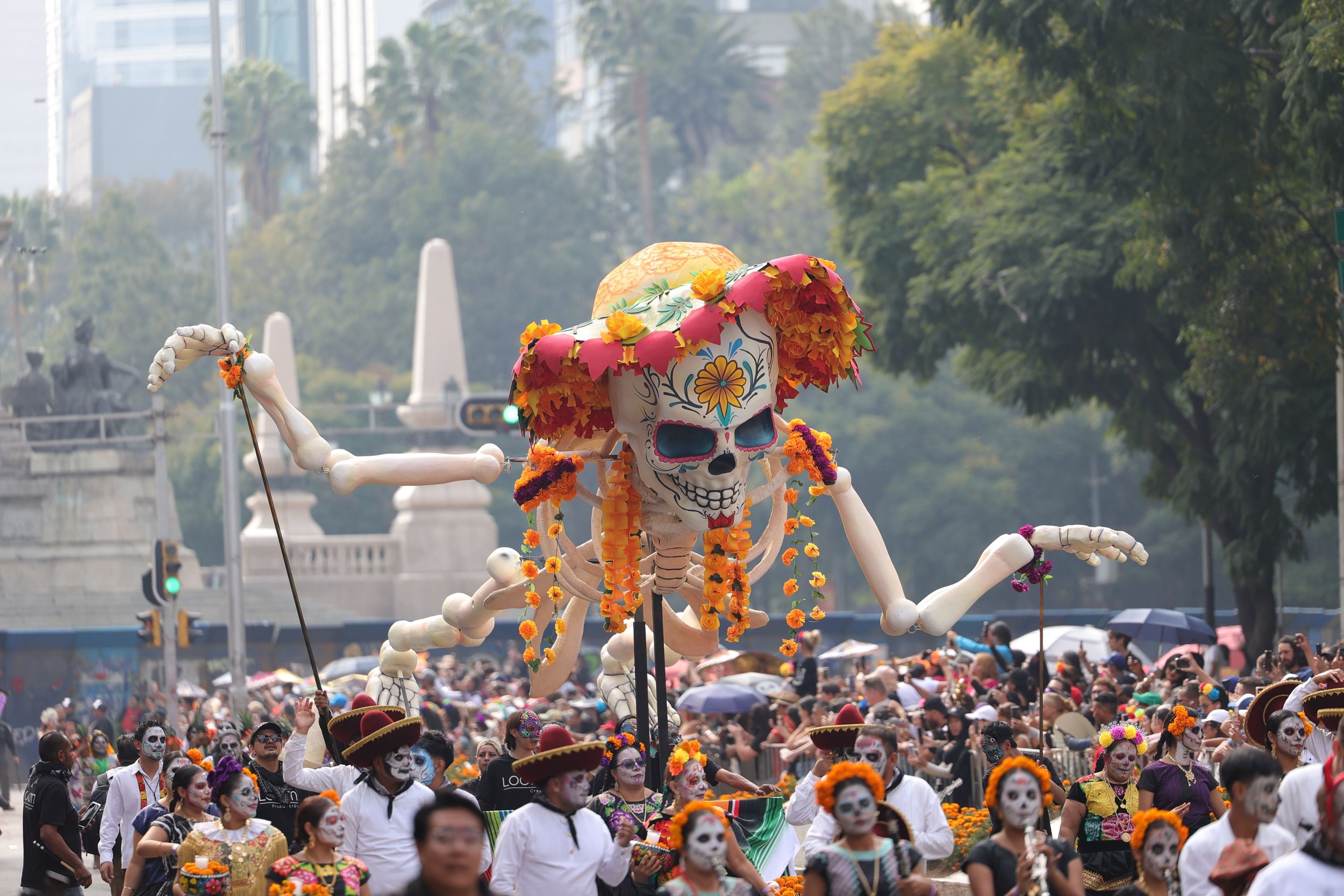
Photo by Ludovic Delot on Pexels
Mexico City is my final recommendation for where you should spend your Día de los Muertos. If you’re looking for grand celebrations, big crowds, and other November events, Mexico City has all these and more. As Mexico’s capital, there are plenty of large events and cultural landmarks available for visitors to enjoy.
Big parades take center stage on Mexico City’s streets during late October and early November, showcasing artistic talent through costumes, makeup, floats, and music. The Alebrije Parade exhibits cartonería (papier-mâché), a traditional Mexican art form with historical roots in the capital city. According to Ciudad de México Secreta, the parade typically occurs during late October, but you can still catch the outdoor exhibition through early November. The Mega Procession of the Catrinas follows a few days later, and thousands dress up as skeletons to celebrate illustrator José Guadalupe Posada’s creation, La Catrina, which has become the symbol of Día de los Muertos.
The biggest celebratory event of Día de los Muertos is the Gran Desfile de Día de Muertos (Great Day of the Dead Parade). This parade blends beautiful floats, puppets, music, and dancers all themed around the holiday and important cornerstones of Mexican culture. Searching for the full Día de los Muertos experience? You can’t miss this parade.
If exploring is more your style, Mexico City offers many walking tours to learn more about the capital and Día de los Muertos if you’re visiting around the holiday. Mexico City has a rich artistic background, with artists like Frida Kahlo and Diego Rivera in museums. For foodies, a food tour is a wonderful way to enjoy delicious meals while learning about their place in the history of Mexico. For Día de los Muertos, walking or boat tours immerse you in Mexico City and guide you through the holiday’s history and how it grew into the celebration it is today.
Visiting later in November? Another major holiday is Mexico’s Día de la Revolución (Revolution Day). The anniversary is on November 20th, but the holiday is observed on the third Monday of November. To celebrate, Mexico City holds a parade, the president holds a flag-raising ceremony, and historical re-enactments are common. If you want to shop in Mexico, El Buen Fin, a shopping holiday, occurs before the date of Revolution Day, according to Arq Finance. To enjoy the celebrations of the country’s revolution and get in some shopping, taking a trip later in November may be the perfect plan.
My Final Thoughts
There are so many ways to learn about Mexican culture and experience the traditions respectfully. From Oaxaca’s specialty Mole Negro, to Pátzcuaro’s Dance of the Butterflies, and Mexico City’s Grand Parades, there are so many ways to immerse yourself in Mexico’s rich heritage and discover how another culture celebrates life and honors their ancestors.
If you’re dreaming of candle-lit streets full of art, flowers, and delicious food, visit my services page to see what options are available for you and your loved ones. The best way to prepare for next year's Día de los Muertos adventure is by starting preparations now! Finding bookings early, choosing locally led experiences, and checking in on community visitor rules are all great ways to create an unforgettable journey through Mexican culture. Let me help you make that dream of visiting Mexico a reality, and join in the festivities on your next trip. Thank you for reading, and I can't wait to start discussing your next travel plans!